Working Towards A Fair & Sustainable Banana & Pineapple Trade
  • Video
  • Contact Us
Banana Link
  • What We Do
    Our ObjectivesOur AchievementsEUROBANWorld Banana ForumRethinking Value ChainsInternational Alliance for Sustainable Family FarmingUnion-To-Union ProgrammeWorld Banana Forum & Gender EquityMeet The Team
  • Why We Exist
    All About BananasThe Problem With BananasWomen In The Banana TradeGood Practices In The Banana IndustryAll About PineapplesSustainability Standards & Certifications
  • Where We Work
    CameroonColombiaCosta RicaCôte d’IvoireDominican RepublicEcuadorGhanaGuatemalaHondurasPeruThe Philippines
  • News & Blog
  • Archive
    Banana Occupational Health and Safety Initiative (BOHESI)Education & Empowerment In West AfricaGender Equity Across Supply ChainsPractical Progress to Gender EquityImproving & Increasing Women’s EmploymentMake Fruit Fair
  • Resources
  • Podcast
  • Donate

Our Work in the Philippines

with FARMCOOP

Home » Where We Work » The Philippines

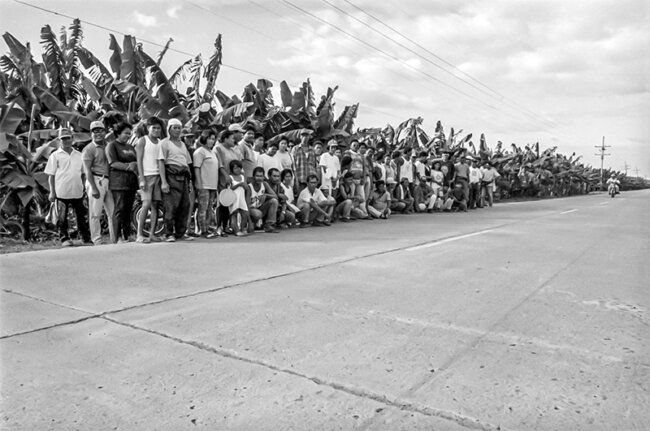
The Philippines has a well-established banana industry, particularly in the Mindanao region. The country is a significant exporter of bananas, particularly to China and Japan. The banana sector is dominated by large-scale plantations, with Cavendish bananas being the primary variety produced. However, the industry faces threats from diseases like Fusarium wilt and labor exploitation concerns.

Human Rights: The Philippines has significant human rights challenges, including extrajudicial killings, especially related to the government’s war on drugs. Human rights defenders, journalists, and activists face harassment, and there are concerns about the treatment of indigenous peoples and minorities. The government has been criticized for limiting freedoms of expression and assembly.

Labour Rights: Labour rights are protected by law, but enforcement is weak. Many workers, especially in informal sectors such as agriculture and construction, experience low wages, poor working conditions, and lack of legal protections. Labour unions face obstacles, and there is widespread use of contractual labour, undermining job security.

Women in the banana industry

In the Philippines, women are involved in all stages of banana production, particularly in areas such as Mindanao, which is a key banana-growing region. Women are engaged in tasks such as planting, harvesting, and packing bananas for export. While women contribute substantially to the sector, they face challenges such as lower wages, limited access to land and resources, and limited decision-making power within farming communities.

Population 114 million
Gross Domestic Product 437,146 million US$
Agriculture 8.6% of GDP
Total Land Area 29.82 million ha
Cultivated Land 36 %
Banana Production Area 186.5K ha
Total Banana Production 5.9M tonnes
ITUC Global Rights Index Rating 5 (No guarantee of rights)
Sources: FAO, World Bank
All data from 2023 unless stated

FARMCOOP
Banana Link Partner

Farmcoop (Foundation for Agrarian Reform Cooperatives in Mindanao) is a not-for-profit organisation founded in 1995 with the original aim of reforming agrarian law to liberate workers from poverty and give them an improved quality of life on the Philippine island of Mindanao. They now work with farmers’ cooperatives assisting in areas of development, financial aid, research, and relations in the industry. Today they aid more than 6000 farmers and with over 10,000 hectares of land in Mindanao where bananas, coconuts, palm oil, coffee, cacao, and vegetables are grown to supply the local and global markets.

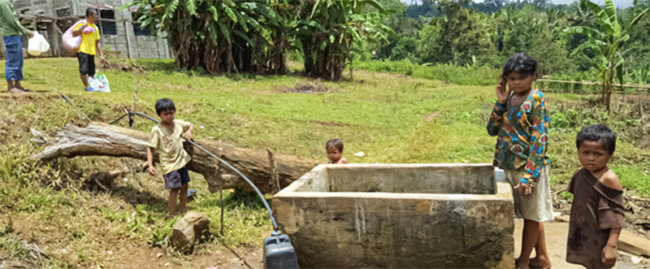
They work with farming cooperatives that support small-scale farmers, agrarian reform, and indigenous people. As well as agrarian issues, they support indigenous communities in developing their infrastructure, agro-forestry, cultural regeneration and preservation, community health and parent education, youth capacity building, and peacebuilding. Currently, they are aiding the development of farmers producing processed goods to add value to their produce.

Philippines resources

As the second largest producer of bananas in the world, the Philippines has become a major player in the banana exporting industry. However, hundreds of banana farmers in the country face contract issues that reduce their incomes and increase their vulnerabilities to different kinds of risks, such as climate variability and disasters.

To improve the situation of these banana farmers, the Gender Transformative and Responsible Agribusiness Investments in South East Asia (GRAISEA) programme, through its partner IDEALS, has conducted legal clinics and financial management seminars,; facilitated engagements with the government, banana companies, and other stakeholders,; and implemented gender-based training to encourage more women participation in the industry.

For more information about the GRAISEA programme, visit: www.oxfam.org.uk/graisea.

Wholesale prices of Cavendish bananas from the Philippines has increased 25% in the last 3 years, according to one retailer in Singapore. Why? Banana plantations in Compostela Valley, the banana capital of the Philippines, were hit by the Panama disease in 2014, leading to a shortage in supply, driving prices up.

Yet, farmers and contract work packers are not seeing the benefits of the price hike. So where is the money from consumers going to, ultimately?

Southern Philippines one of the worst affected areas of ‘Panama disease’ eating through hectares of banana crops.

Al Jazeera’s Jamela Alindongan reports from Compostela Valley, Philippines.

This documentary exposes the shocking working conditions in the Philippines pineapple industry. The reality on the island of Mindanao is harsher than the name ”Land of Promise” would suggest: the majority of the workers are underpaid, have uncertain contracts and have to struggle with unhealthy working conditions.

MORE ABOUT WHERE WE WORK ...


Cameroon

Colombia

Costa Rica

Côte d’Ivoire

Ecuador

Ghana

Guatemala

Honduras

Peru

The Philippines

Get Involved

Newsletter
Donate
Contact Us
Banana Link  

51 Colegate
Norwich
NR3 1DD
United Kingdom

Navigation

  • Home
  • About Us
  • All About Bananas
  • All About Pineapples
  • Trade Unions
  • Gender Equity
  • News & Blog
  • Our Partners
  • Our Projects
  • Newsletters
  • Podcast
  • Contact Us
  • Sitemap
  • Disclaimer
  • Privacy Policy
This website uses cookies to improve your experience. We'll assume you're ok with this, but you can opt-out if you wish. Cookie settings Read More
ACCEPTREJECT
Privacy & Cookies Policy

Privacy Overview

This website uses cookies to improve your experience while you navigate through the website. Out of these cookies, the cookies that are categorized as necessary are stored on your browser as they are essential for the working of basic functionalities of the website. We also use third-party cookies that help us analyze and understand how you use this website. These cookies will be stored in your browser only with your consent. You also have the option to opt-out of these cookies. But opting out of some of these cookies may have an effect on your browsing experience.
Necessary
Always Enabled

Necessary cookies are absolutely essential for the website to function properly. This category only includes cookies that ensures basic functionalities and security features of the website. These cookies do not store any personal information.

Non-necessary

Any cookies that may not be particularly necessary for the website to function and is used specifically to collect user personal data via analytics, ads, other embedded contents are termed as non-necessary cookies. It is mandatory to procure user consent prior to running these cookies on your website.

SAVE & ACCEPT