Working Towards A Fair & Sustainable Banana & Pineapple Trade
  • Video
  • Contact Us
Banana Link
  • What We Do
    Our ObjectivesOur AchievementsWhere we workMeet The Team
  • Why We Exist
    All About BananasThe Problem With BananasWomen In The Banana TradeGood Practices In The Banana IndustryAll About PineapplesSustainability Standards & Certifications
  • Networks
    EUROBANUnion-To-Union ProgrammeRethinking Value ChainsInternational Alliance for Sustainable Family FarmingWorld Banana Forum
  • News & Blog
  • Archive
    Banana Occupational Health and Safety Initiative (BOHESI)Education & Empowerment In West AfricaGender Equity Across Supply ChainsPractical Progress to Gender EquityImproving & Increasing Women’s EmploymentMake Fruit Fair
  • Resources
  • Podcast
  • Donate

Where we work

Home » Where we work


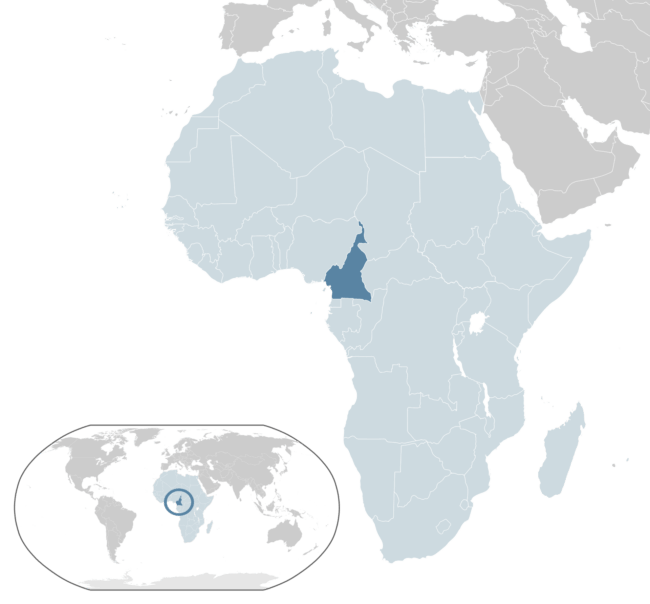
Cameroon

Cameroon has a growing banana industry, primarily focused on the export of bananas. The country produces both commercial and small-scale bananas, with major plantations located in the western and southwestern regions. Cameroon exports a significant portion of its bananas to Europe, though domestic consumption is also substantial. Challenges include fluctuating global prices and infrastructure issues.

Our partner in Cameroon: Fako Agricultural Workers Union (FAWU)

FAWU (Fako Agricultural Workers Union) organises plantation workers in the South West Province of Cameroon.


Colombia

Colombia is the world’s fifth largest banana exporter (after Ecuador, Philippines, Guatemala and Costa Rica) and supplies about one tenth of the world export market, employing around 150,000 people.

Uniban (in a joint venture with Fyffes), Banacol, Banafrut, Chiquita Brands International, Dole Food Company, and Del Monte Fresh Produce are the most important banana-marketing companies in Colombia.

Our partner in Colombia: SINTRAINAGRO

SINTRAINAGRO, Colombia’s agricutural workers’ union, is the largest in Latin America, representing around 20,000 banana workers in 266 medium- and large-scale banana plantations, as well as workers in other agricultural industries.

For over 25 years, SINTRAINAGRO has negotiated wages and other social benefits through a national collective bargaining agreement with the main employers’ organisation in the Colombian banana industry, Augura.


Costa Rica

Costa Rica is a leading global exporter of bananas, with production concentrated on the Pacific coast in provinces like Limón. The country exports millions of boxes of bananas annually, mainly to North America and Europe. Large multinational companies dominate the industry, though smaller producers are also significant. Environmental and social issues, such as pesticide use and labor rights, are ongoing concerns.

Production and export of Costa Rica bananas are dominated by Chiquita, Del Monte and Dole, and national company Grupo Acon. The industry employs directly more than 40,000 people.

Costa Rica’s pineapple sector employs about 32,000 people directly and generates exports of about one billion dollars a year, which is the equivalent of 10 per cent of the country’s total exports, making it the country’s main agricultural export.

Our partner in Colombia: SINTRAINAGRO

Sindicato de Trabajadores de Plantaciones Agricolas (SITRAP) represents tropical fruit workers in the Atlantic coastal region of Costa Rica.

SITRAP currently has a presence in over 50 banana and pineapple plantations belonging to Dole, Chiquita, Acon, Calinda, Fyffes, Matera, Pelon and Corbana. SITRAP has continued, with funding from UNISON, to make significant progress organising in a very hostile anti-union culture.


Côte d’Ivoire

Côte d’Ivoire is the largest African banana exporter, representing 2% of the global export market bananas. It is the fourth largest supplier to the EU, with over 300,000 tonnes imported in 2023. Key destinations for Ivorian bananas are France, Belgium and the UK – together representing three of the four European countries who have already made public commitments to implement living wages in their banana supply chains.

Production and export of Costa Rica bananas are dominated by Chiquita, Del Monte and Dole, and national company Grupo Acon. The industry employs directly more than 40,000 people.

Costa Rica’s pineapple sector employs about 32,000 people directly and generates exports of about one billion dollars a year, which is the equivalent of 10 per cent of the country’s total exports, making it the country’s main agricultural export.

Our partner in Côte d’Ivoire: National trade union federation of banana workers (FETBACI)


Dominican Republic

The Dominican Republic is a major banana producer in the Caribbean, focusing both on export and local consumption. The banana-growing regions are mainly in the central and northern parts of the country. While much of the production is for domestic markets, a significant portion is exported, particularly to the United States and Europe. The industry faces challenges related to land use, climate change, and competition from other banana-exporting countries.

A significant proportion of Dominican bananas- around 60-70% – are also certified Fairtrade.

A very diverse producer profile exists in the Dominican Republic – there are a significant number of small producers, growing their crops on land redistributed following agrarian reform, alongside medium-sized plantations and a handful of large plantations.

The Dominican banana industry’s workforce is made up of about 80% Haitian migrant workers, predominantly men, who migrate to work in the Dominican Republic without family and send remittances back home (although some bring their families with them).

Our partner in the Dominican Republic: SINTRAPBAA

SINTRAPBAA represents agricultural laborers across the country’s major banana-producing regions, including Montecristi, Mao Valverde, and Azua.
 

Ecuador

Ecuador is the world’s largest exporter of bananas, accounting for a substantial portion of global banana trade. The country’s banana industry is dominated by large plantations in regions such as Guayas and Los Ríos. Bananas are a key export commodity, with the majority heading to North America, Europe, and Asia. Ecuador’s banana industry is known for its high production volumes, though it faces challenges including labor rights issues, environmental concerns, and vulnerability to diseases like Panama disease.

Bananas make up 10% of Ecuador’s exports in value terms, and representing over 6% of the world’s total banana production.

It has 5,000 growers, from small farmers to medium-sized and large-scale growers, and with some 200 exporting companies, including the big multinationals.

Ecuador is the only country in the world to impose a mandatory minimum official price to be paid to farmers.

Our partner in Ecuador: Coordinadora de Organizaciones Laborales de la Agroindustria del Ecuador (COLAE)

Coordinadora de Organizaciones Laborales de la Agroindustria del Ecuador (COLAE) represents labour organizations in Ecuador’s banana agroindustry sector, active around areas such as Naranjal and Machala.


Ghana

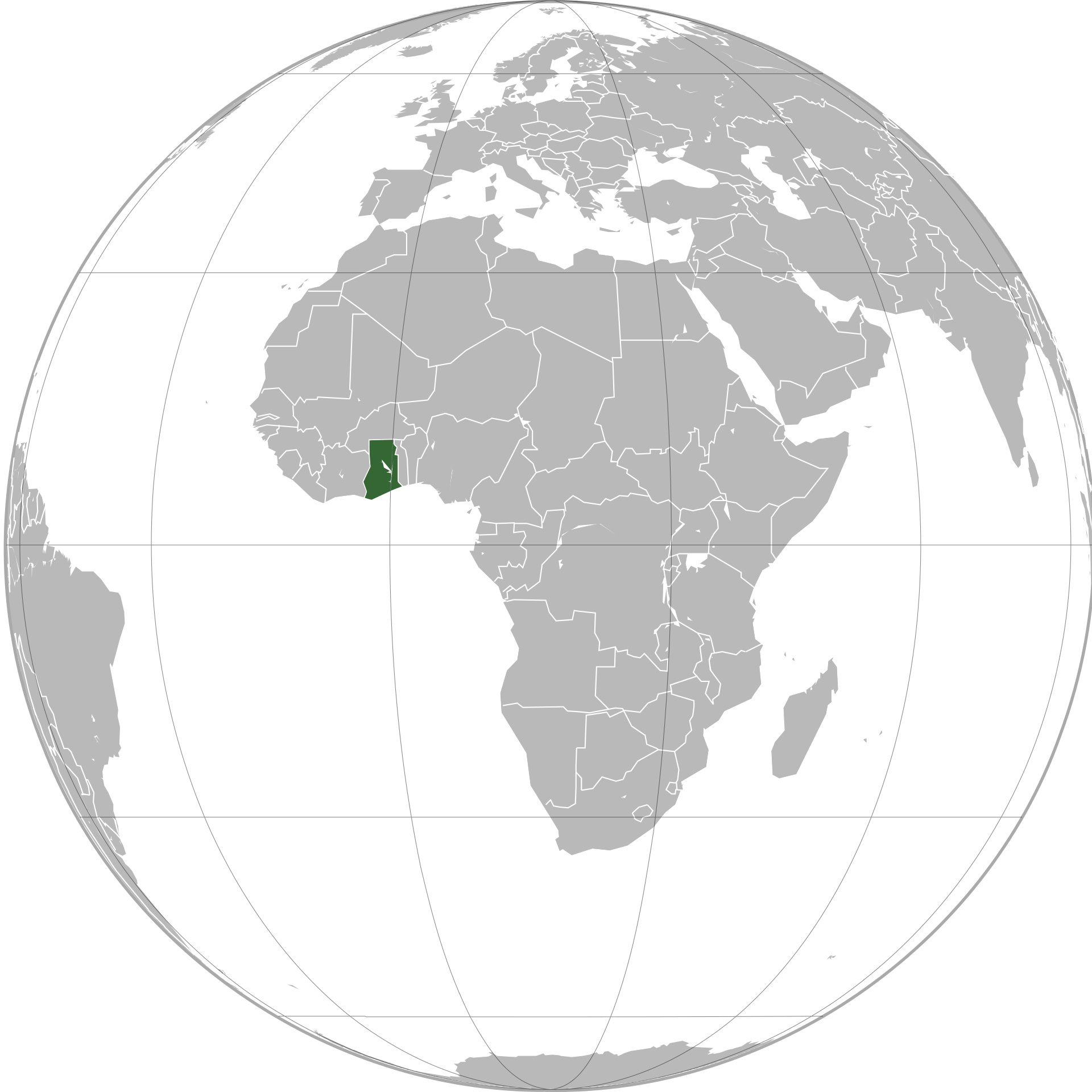
Ghana has a growing banana industry, which focuses on both export and local consumption. Banana production is concentrated in the southern regions, with small and medium-sized farms making up the majority of the industry. While bananas are not Ghana’s primary agricultural export, the country has increased production for regional markets and exports to Europe, though infrastructure challenges remain.

Our partner in Ghana: General Agricultural Workers’ Union of Ghana (GAWU)

The General Agricultural Workers’ Union (GAWU) is an affiliate of the Trades Union Congress-Ghana and the biggest trade union organising farmers and agricultural employees in Ghana.


Guatemala

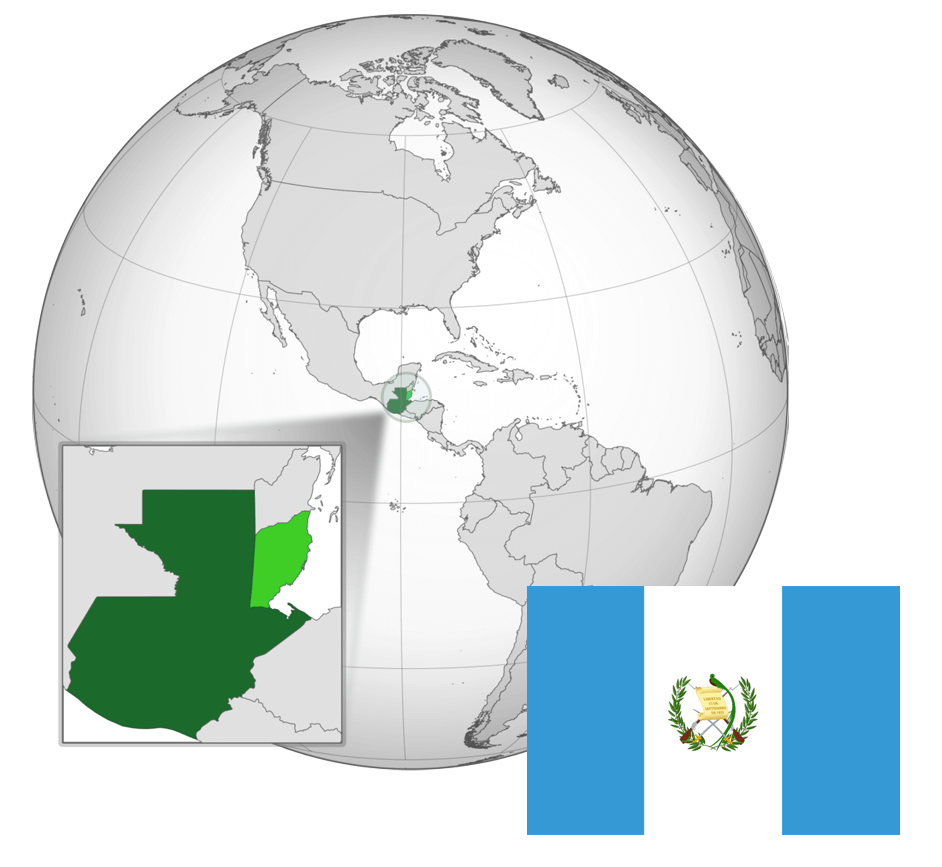
Guatemala is one of the largest banana exporters in Central America, with production concentrated in the southern coastal regions. The country exports bananas mainly to the United States and Europe, with large plantations owned by multinational companies dominating the industry. Guatemala’s banana sector faces social issues, including labor rights concerns, and environmental challenges such as deforestation and water use.

Currently, 80% of the banana production and a quarter of its exports are carried out by Guatemalan national companies. From the late 1990s, the banana industry underwent a major expansion in the Southern Pacific coastal plain, enabling the country to overtake Colombia and Costa Rica and establish itself as the world’s third largest exporter.  Izabal, in the North of the country on the Caribbean coast now produces only 20% of total banana exports. There are at least 30,000 direct jobs in the industry.

Guatemala currently provides around 40% of all bananas entering the North American market.

Our partner in Guatemala: SITRABI

SITRABI, the Izabal Banana Workers’ Union, is the oldest private sector union in Guatemala and represents over 3000 workers in Del Monte and their supplier farms on the Caribbean coast. Every three years the union negotiates wages and social benefits with Del Monte subsidiary Bandegua. SITRABI has good relations with other local unions in other multinational and national plantations.


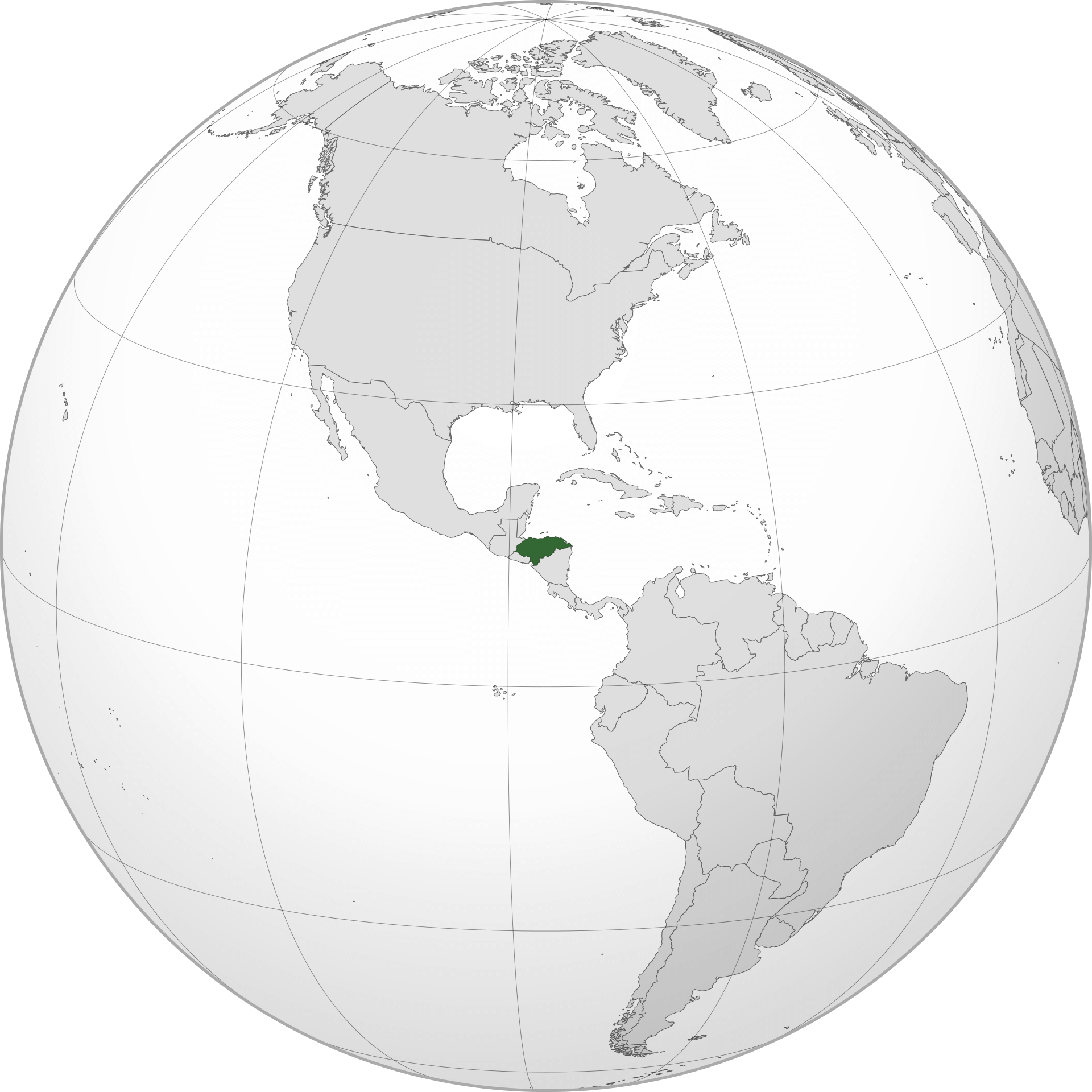
Honduras

Banana production in Honduras plays an important role in the economy of Honduras. In 1992, the revenue generated from banana sales amounted to US$287 million and along with the coffee industry accounted for some 50% of exports.

Honduras produced 861,000 tons of bananas in 1999. The two corporations, Chiquita Brands International and the Dole Food Company are responsible for most Honduran banana production and exports.

Our partner in Honduras: FESTAGRO

FESTAGRO – Federation of Trade Unions of Agribusiness Workers, is the result of an effort to unite agroindustrial workers in Honduras led by the former Coordinating Body of Honduran Banana Workers’ Unions COSIBAH. The federation’s actions are based on the principles of « unity, education and labour » in defence of the rights of workers in the country’s banana, sugarcane, melon and oilpalm industries.


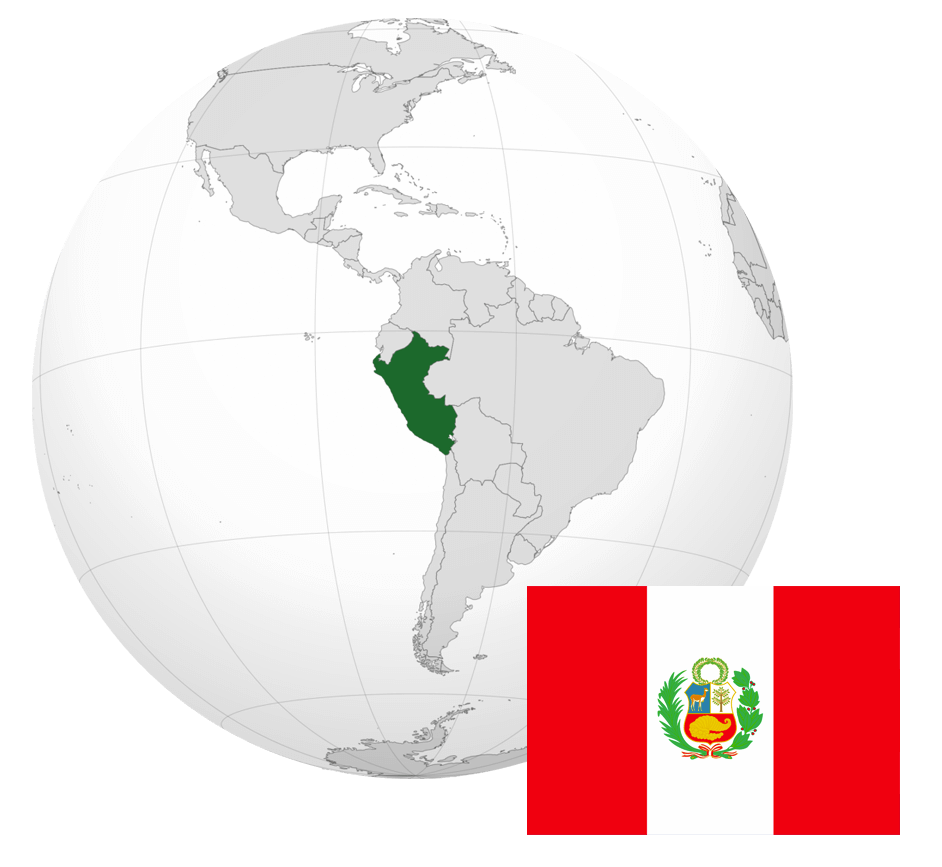
Peru

Peru is a rising banana exporter, with production concentrated in the Amazon Basin and northern coastal regions. The country has seen rapid growth in banana exports to North America and Europe, with organic bananas becoming increasingly popular. The banana industry in Peru benefits from favorable climatic conditions, but labor conditions and the impact of El Niño are notable challenges.

Peru has also one of the fastest growing horticultural export sectors in the world, providing grapes, avocados, citrus, mangoes and blueberries to all continents. When Banana Link joined the UK Ethical Trade Initiative in 2013, we agreed to facilitate links with the unions working in these new industries.

Our partner in Peru: SITAG

Sindicato de Trabajadores Agrarios Del Peru – SITAG-Peru is a young but rapidly growing union, originally founded by workers in Dole exporting facilities in 2006. The union now represents several thousand workers involved in the production and export of organic and Fairtrade bananas. They are nearly all employed by small farmers’ associations.

The union also has members in the mango, sugarcane, grape and avocado industries. In 2015, SITAG founded the FENTRAIR federation of unions in the agribusiness sector.

Get Involved

Newsletter
Donate
Contact Us
Banana Link  

51 Colegate
Norwich
NR3 1DD
United Kingdom

Navigation

  • Home
  • About Us
  • All About Bananas
  • All About Pineapples
  • Trade Unions
  • Gender Equity
  • News & Blog
  • Our Projects
  • Newsletters
  • Podcast
  • Contact Us
  • Sitemap
  • Disclaimer
  • Privacy Policy
This website uses cookies to improve your experience. We'll assume you're ok with this, but you can opt-out if you wish. Cookie settings Read More
ACCEPTREJECT
Privacy & Cookies Policy

Privacy Overview

This website uses cookies to improve your experience while you navigate through the website. Out of these cookies, the cookies that are categorized as necessary are stored on your browser as they are essential for the working of basic functionalities of the website. We also use third-party cookies that help us analyze and understand how you use this website. These cookies will be stored in your browser only with your consent. You also have the option to opt-out of these cookies. But opting out of some of these cookies may have an effect on your browsing experience.
Necessary
Always Enabled
Necessary cookies are absolutely essential for the website to function properly. This category only includes cookies that ensures basic functionalities and security features of the website. These cookies do not store any personal information.
Non-necessary
Any cookies that may not be particularly necessary for the website to function and is used specifically to collect user personal data via analytics, ads, other embedded contents are termed as non-necessary cookies. It is mandatory to procure user consent prior to running these cookies on your website.
SAVE & ACCEPT